
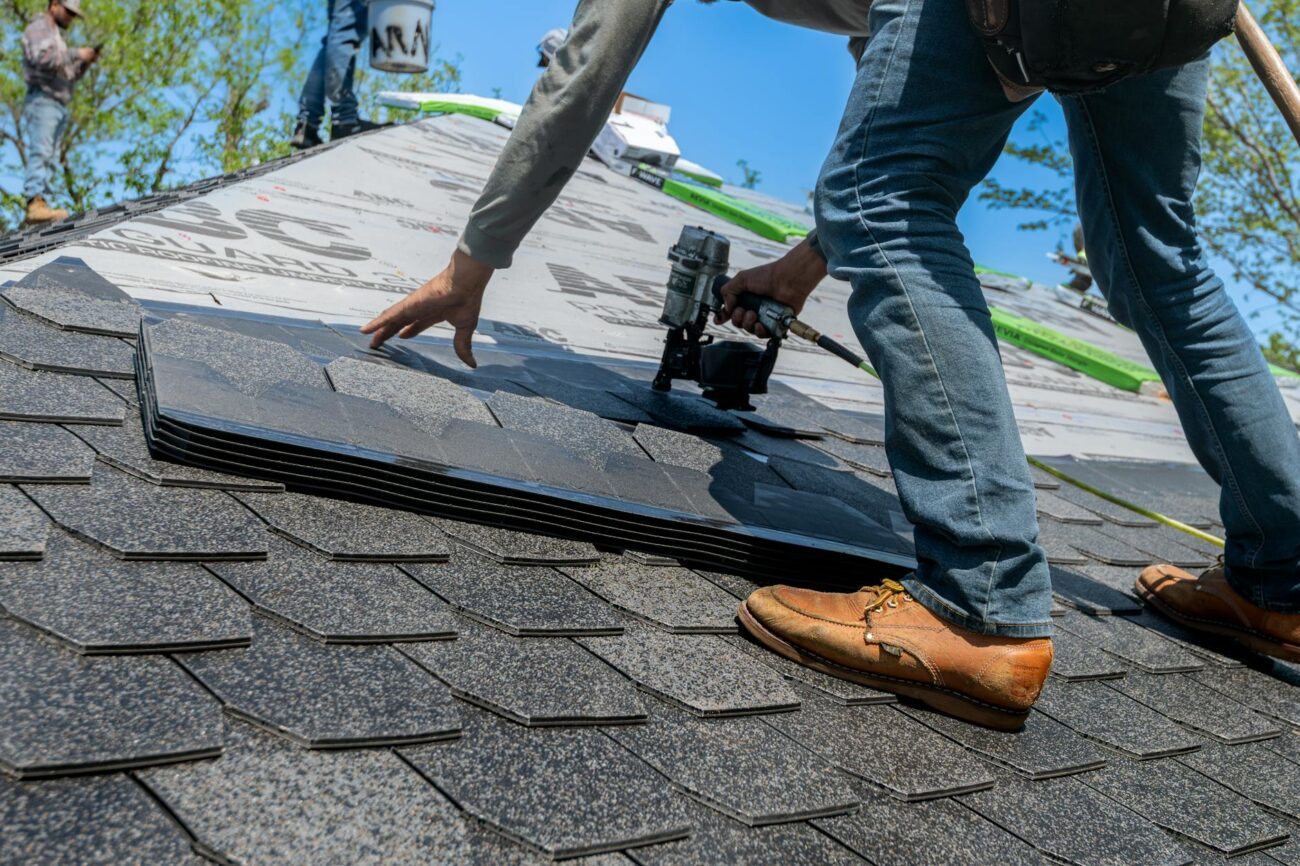
Choosing the right roofing material can significantly impact the longevity and energy efficiency of a commercial building. EPDM roofing, a type of synthetic rubber, is often singled out for its durability, cost-effectiveness, and ease of maintenance. To fully exploit EPDM’s energy-saving potential, it’s advisable to learn more about the different thicknesses and colors available and choose the most suitable option for your building’s climate and energy goals.
EPDM roofing stands out as an adaptable solution capable of withstanding varying weather conditions while providing a sustainable and cost-saving roofing option for commercial buildings. In this article, we delve into the advantages and practical considerations of utilizing EPDM for commercial roofing projects.
EPDM Roofing’s Role in Energy Efficiency and Cost Savings
An often overlooked benefit of EPDM roofing is its contribution to increased energy efficiency. The material’s thermal properties aid in reducing heating and cooling loads. White or lightly colored EPDM, in particular, can reflect sunlight and help maintain cooler roof temperatures, translating into lower air conditioning usage and reduced energy bills.
Cost savings also come from EPDM roofing’s competitive initial installation costs and low lifecycle expenses. Its ease of repair contributes to its economic efficiency, as most damage can be rectified with simple patches rather than extensive repairs or full replacement
Key Advantages of EPDM Roofing for Commercial Buildings
EPDM roofing systems are celebrated for their versatility and resilience, making them an excellent match for diverse climatic challenges. The material’s resistance to UV radiation, ozone, and extreme temperatures contributes to its widespread adoption in different geographic regions. EPDM can remain pliable and effective in temperatures as low as -45 degrees Celsius and as high as 130 degrees Celsius.
The synthetic rubber’s innate strength delivers impressive resistance to tears, abrasions, and punctures. This robust property significantly reduces the likelihood of damage during installation and routine maintenance. Moreover, the flexible nature of EPDM accommodates building movements and temperature fluctuations without compromising the integrity of the roof.
For those considering EPDM roofing, selecting a contractor with a proven track record and expertise in EPDM installation is crucial. Proper installation is the linchpin of maximizing the material’s advantages, including its impressive lifespan, which can extend over 50 years with correct application and maintenance.
Enhancing Durability and Longevity With EPDM Roof Systems
EPDM roofing systems are synonymous with long-term durability. The material has a track record of performance, often outlasting other roofing options with minimal degradation. The presence of carbon black within the membrane acts as a stabilizing factor, enhancing the EPDM’s longevity and making it a preferred choice for commercial applications with expected lifespans stretching beyond 30 years.
This durability transposes into tangible cost savings over time, with fewer repairs and replacements needed compared to more traditional roofing materials. Additionally, EPDM’s composition allows for effective sealing around roof penetrations, effectively guarding against potential leaks and water damage, and preventing roof deterioration.
Maximizing EPDM’s lifespan not only involves expert installation but also adhering to a systematic maintenance program. Regular inspections can identify any early signs of wear, allowing for corrective measures before substantial issues arise, ultimately extending the life of the roofing system.
Ease of Installation and Maintenance: EPDM Roofing Simplified
EPDM roofing systems boast an installation process that is both efficient and forgiving, largely due to their lightweight and flexible membranes. These properties facilitate quick installation, reducing labor time and costs. Additionally, the availability of large EPDM sheets minimizes seams, lowering the risk of leaks and simplifying the installation process.
Maintenance for EPDM roofs is straightforward, often requiring only routine cleaning and inspections. The material’s resilience means that common issues like cracking or blistering, which plague other roofing types, are infrequent. When maintenance is needed, EPDM can usually be easily repaired with patches, without the need for specialized tools or materials.
Building owners are encouraged to establish a regular inspection and cleaning schedule to prevent debris buildup and ensure the long-term performance of their EPDM roof. Scheduling biannual inspections and after significant weather events can help catch potential issues early and maintain the roof in optimal condition.
Ultimately, EPDM roofing offers a potent combination of durability, cost-effectiveness, and energy efficiency that makes it a smart choice for commercial buildings. Its ease of installation and low maintenance requirements further enhance its value proposition, making it an investment that continues to pay dividends throughout its extended lifespan. Opting for EPDM can mean not just protecting a building, but also optimizing its operational costs and contributing to its environmental sustainability.
More iDevice Central Guides
- iOS 17 Jailbreak RELEASED! How to Jailbreak iOS 17 with PaleRa1n
- How to Jailbreak iOS 18.0 – iOS 18.2.1 / iOS 18.3 With Tweaks
- Download iRemovalRa1n Jailbreak (CheckRa1n for Windows)
- Dopamine Jailbreak (Fugu15 Max) Release Is Coming Soon for iOS 15.0 – 15.4.1 A12+
- Cowabunga Lite For iOS 16.2 – 16.4 Released in Beta! Install Tweaks and Themes Without Jailbreak
- Fugu15 Max Jailbreak: All Confirmed Working Rootless Tweaks List
- iOS 14.0 – 16.1.2 – All MacDirtyCow Tools IPAs
- iOS Jailbreak Tools for All iOS Versions


