
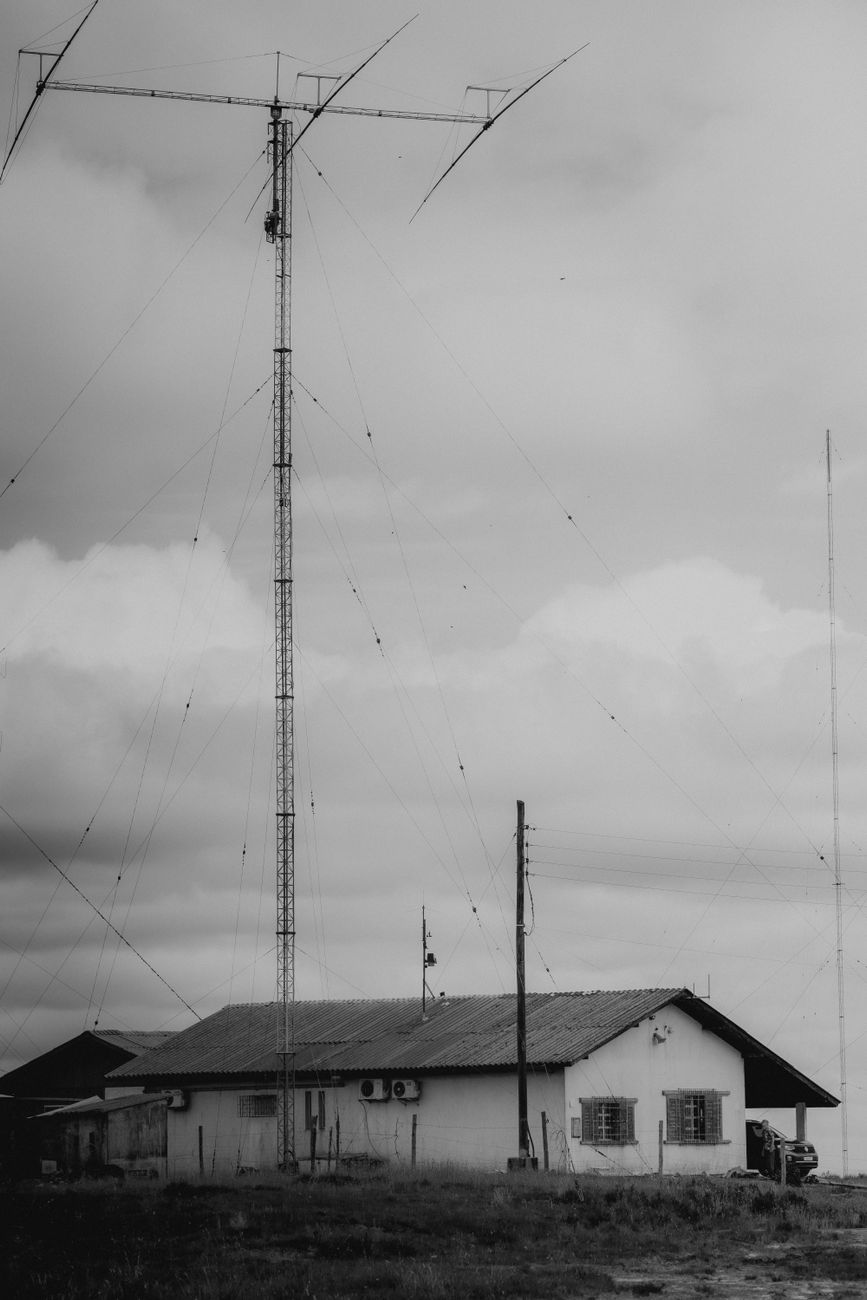
The rain wasn’t supposed to start until late afternoon.
At least, that’s what the weather app insisted.
By 10:30 a.m., the crew was already working through a steady downpour. Boots disappeared into the mud. Equipment was hurried under tarps. Someone joked that the forecast must’ve been for a different county. Then the radio crackled once…twice…and went silent.
Not exactly the kind of surprise you want in the middle of a busy workday.
Field crews tend to prepare for everything they can control, tools, vehicles, schedules, safety gear. Communication devices? They often get tossed into a truck and assumed to be ready for whatever comes next.
That’s a risky assumption.
Whether you’re surveying land, maintaining utilities, managing construction projects, or inspecting infrastructure, your radio doesn’t get the luxury of staying clean and dry. It lives where the work happens. And that’s exactly why weatherproofing deserves more attention than it usually gets.
Your Radio Has One Job. The Weather Doesn’t Care.
Outdoor work is wonderfully unpredictable.
One hour you’re standing under blue skies. The next you’re battling wind, dust, drizzle, or temperatures that seem determined to test both your patience and your equipment.
Communication has to survive all of it.
A two-way radio that performs perfectly in an office parking lot can become an entirely different device after a day bouncing around the cab of a pickup truck or riding on someone’s belt through rain and construction dust.
Mother Nature, as it turns out, is an unforgiving product tester.
Don’t Ignore the Tiny Letters: IP Ratings Matter
If you’ve ever skimmed past an IP rating while comparing equipment, you’re not alone.
Most people see something like “IP67” and move on without another thought.
It’s actually one of the most useful specifications you’ll find.
The IP (Ingress Protection) rating tells you how well a device resists dust and water. Higher ratings generally indicate better protection against the kinds of conditions outdoor crews face every day.
Think of it this way: weather forecasts are educated guesses. Ingress protection is engineering. One tends to be more reliable.
Dust Is Sneakier Than Rain
Rain gets all the headlines. Dust quietly causes just as many problems.
Fine particles work their way into buttons, speaker openings, charging ports, and battery compartments. Construction sites, farms, gravel roads, mining operations, and utility corridors are especially good at coating equipment in a layer of grit that somehow finds every tiny opening.
It’s not dramatic. It just slowly wears things down until something stops working exactly when you need it.
That’s usually how field equipment fails, not with a bang, but with accumulated neglect.
Take Thirty Seconds Before Every Shift
Here’s a habit that’s surprisingly easy to overlook.
Before heading into the field, give the radio a quick inspection. Check that the battery locks securely. Look over the rubber seals. Make sure charging port covers are properly closed. Wipe away any dirt that collected during yesterday’s work.
None of this is particularly exciting. Neither is replacing damaged equipment halfway through a project.
Sometimes the boring checklist is the smartest part of the morning.
Weather Isn’t Just Rain
When people hear “weatherproof,” they usually picture storms. Fair enough.
But extreme heat, freezing mornings, humidity, and rapid temperature changes all affect electronic devices differently. Batteries drain faster in cold conditions. High temperatures can reduce long-term battery performance. Moisture from condensation can appear even when it hasn’t rained.
Outdoor work doesn’t happen in laboratory conditions. The best communication equipment is designed with that reality in mind.
Durability Goes Beyond Waterproofing
A weather-resistant radio still has to survive…people.
It gets clipped onto tool belts. Dropped from truck seats. Knocked off workbenches. Accidentally introduced to concrete from waist height. Usually before lunch.
Strong housings, reinforced buttons, and dependable construction matter just as much as water resistance because field equipment rarely experiences only one type of abuse.
If it can survive both the weather and the average Tuesday, you’re probably looking at the right device.
Reliable Communication Starts Before the Forecast Changes
The best field crews don’t wait for problems before preparing for them.
The same idea applies to communication.
Choosing equipment with proper environmental protection, checking it before every shift, and using gear built for demanding conditions helps eliminate one more thing to worry about when work becomes unpredictable.
For organizations managing outdoor operations across construction sites, utility corridors, agricultural land, or remote job locations, a modern two-way radio solution offers dependable push-to-talk communication while standing up to the realities of fieldwork.
Because the weather will eventually surprise you. Your communication equipment shouldn’t.
More iDevice Central Guides
- iOS 17 Jailbreak RELEASED! How to Jailbreak iOS 17 with PaleRa1n
- How to Jailbreak iOS 18.0 – iOS 18.2.1 / iOS 18.3 With Tweaks
- Download iRemovalRa1n Jailbreak (CheckRa1n for Windows)
- Dopamine Jailbreak (Fugu15 Max) Release Is Coming Soon for iOS 15.0 – 15.4.1 A12+
- Cowabunga Lite For iOS 16.2 – 16.4 Released in Beta! Install Tweaks and Themes Without Jailbreak
- Fugu15 Max Jailbreak: All Confirmed Working Rootless Tweaks List
- iOS 14.0 – 16.1.2 – All MacDirtyCow Tools IPAs
- iOS Jailbreak Tools for All iOS Versions


