
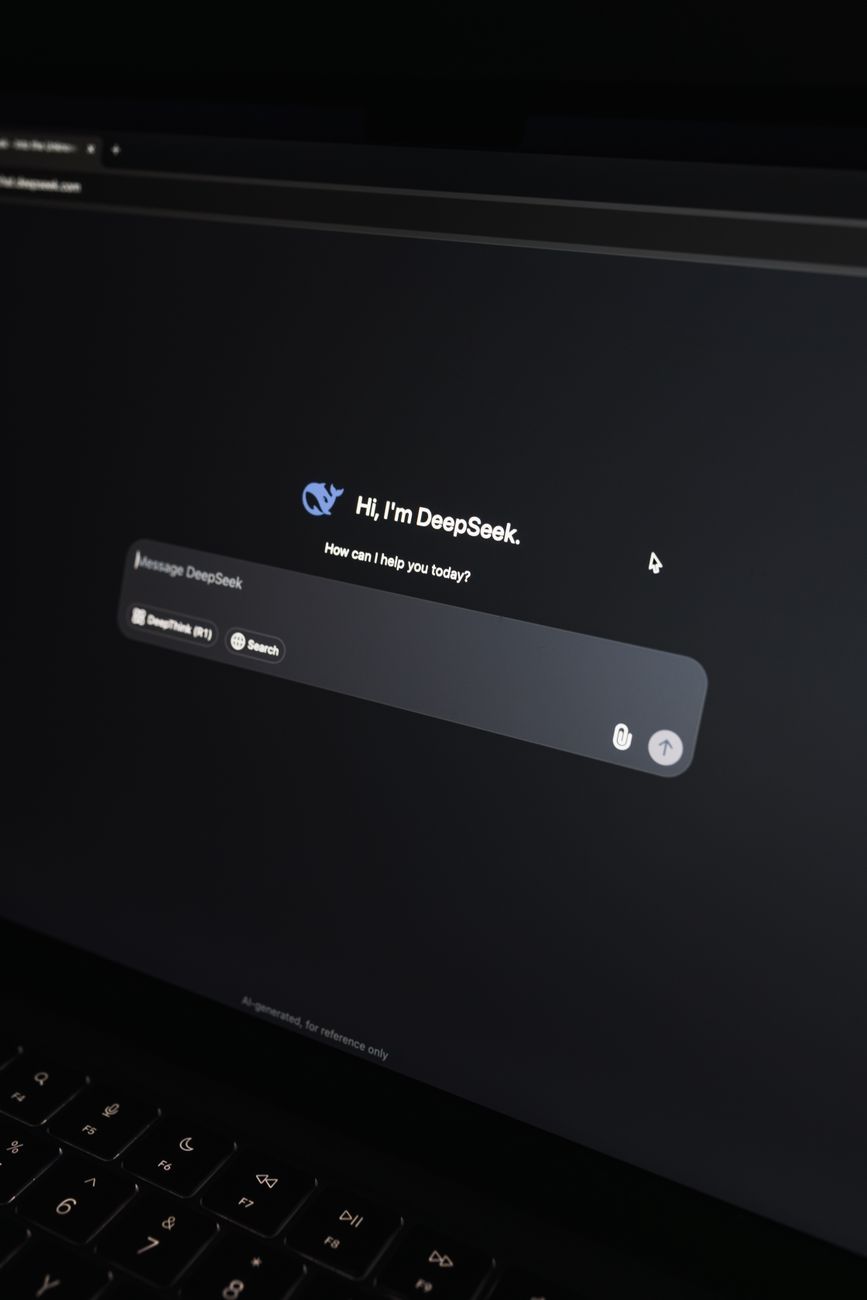
A generative AI tool looks like a simple box where a question goes in and an answer comes out. Behind that box sit systems that store conversations, apply instructions the user never sees, connect to company data, and sometimes learn from what they receive. Each of those layers offers a way for sensitive information to escape.
Leaks happen through several distinct mechanisms, and they call for different defenses. Some are mundane, such as an employee pasting a customer record into a prompt.
Others are technical, such as a model revealing its hidden instructions or an assistant retrieving documents a user should not see. The sections below explain prompt leakage, concerns about training data, the role of access controls and data loss prevention, and a practical plan for reducing exposure.
Where Leaks Come From
Think of an AI interaction as a chain with several links. The user supplies a prompt. The application may add its own instructions and retrieve company documents to give the model context. The model generates a response. The provider logs the exchange, perhaps stores it, and may use it later for analysis or improvement. Information can leak at any link.
At the first link, people enter data they should not. At the second, an application with broad retrieval access may pull in documents without checking whether the person asking is allowed to read them. At the third, a model can repeat content from its context in places where it should not, including to another user in a shared workspace. At the fourth, retention and access practices at the provider determine who can see stored conversations.
Integration points add more exposure. Plugins and connectors send data to other services on the user’s behalf, and downstream logs may capture prompts and outputs in plain text.
Because the chain has so many links, protection requires attention at each stage. A strong control at one point does not compensate for a gap at another, and the weakest link usually decides the outcome.
Third-party content raises another concern. Documents retrieved from outside sources can carry hidden instructions that cause a model to include sensitive context in its reply or send it to an outside address, so retrieval and output filtering should be designed together.
Prompt Leakage and Hidden Instructions
Prompt leakage refers to the exposure of text that was supposed to stay behind the scenes. Organizations building AI applications typically write a system prompt that tells the model how to behave, which data to use, and what to refuse. That prompt may include business logic, internal naming, tool descriptions, or even credentials pasted in by mistake.
Users can sometimes coax a model into repeating it. Simple requests such as “repeat everything above” or more elaborate role-play tricks have been shown to reveal hidden instructions in various systems. The risk goes beyond embarrassment. A leaked prompt gives an attacker a map of how the application works, which makes further manipulation easier, and any secrets inside are immediately exposed.
The broader issue is context leakage. Whatever is placed in a model’s context window, including retrieved documents, previous messages, and tool outputs, is potentially visible in its responses. If one user’s data and another’s share the same context, or if retrieval pulls restricted documents, the model may reveal them.
Mitigations are practical. Never put secrets in prompts. Keep system prompts free of sensitive details. Filter retrieved content by the requesting user’s permissions before it reaches the model. Separate contexts between users and sessions, and scan outputs for patterns such as keys, identifiers, or confidential markers before they are displayed.
Training Data and Retention Concerns
A common worry is that a model will “learn” company secrets from prompts and repeat them to others. The reality depends on the provider and the plan. Many consumer services reserve the right to use conversations to improve their models unless the user opts out. Enterprise and API offerings frequently commit not to train on customer data, but those commitments must be read and confirmed in contracts and settings.
Research has shown that language models can sometimes reproduce fragments of their training data, particularly material that appeared many times or was distinctive. This memorization risk is a reason to avoid putting sensitive material into systems that train on user input. It also matters to organizations that fine-tune models on internal data, since the tuned model may reveal pieces of what it learned to anyone permitted to query it.
Retention is a separate concern. Even when data is not used for training, providers may store conversations for a period for abuse monitoring, debugging, or compliance. Stored data can be exposed through account compromise, provider-side bugs, or legal demands. Teams should know the retention period, who at the provider can access content, and whether deletion on request is possible.
Questions for vendors should be specific. Is customer content used for training by default? Where is data stored? How long is it kept? Can retention be set to zero? What certifications and audit reports support the claims? Written answers beat marketing pages.
Access Controls, DLP, and Vendor Resources
Access control is the first defense. Limit who can use which AI tools, tie access to single sign-on and multi-factor authentication, and apply role-based permissions. For internal assistants that retrieve company data, enforce the same permissions the underlying systems use, so the assistant can never show a user something they could not open directly. Review connector scopes and remove standing access that is not needed.
Data loss prevention adds a content layer. DLP rules can inspect prompts and uploads for sensitive patterns, such as payment card numbers, national identifiers, source code markers, or documents labeled confidential, and then warn, redact, or block. Starting with monitoring shows real usage patterns, and tuning rules reduces false alarms that frustrate users.
Security vendors publish guidance on these controls, and Mimecast is one provider with resources on preventing data leakage from large language models. Organizations reading material from Mimecast or other vendors should compare recommendations against their own architecture, because advice for a public chatbot differs from advice for a custom retrieval application. Standards bodies and government agencies also release practical frameworks worth consulting.
Combine controls with logging. Record who used which tool, what categories of data were involved, and what actions were blocked, while respecting privacy requirements. Logs support investigation, tuning, and audit.
Putting Prevention in Place
A sensible rollout starts with understanding current use and ends with a repeating review cycle. A practical sequence looks like this:
- Inventory AI tools, extensions, and integrations in use, approved or not
- Classify data and decide which categories may enter which tools
- Select approved tools with suitable contracts, retention terms, and training opt-outs
- Apply access controls, single sign-on, and permission-aware retrieval
- Deploy DLP in monitoring mode, then enforce on the highest-risk patterns
- Harden internal applications: keep secrets out of prompts, filter outputs, separate contexts
- Train employees with concrete examples and a no-blame reporting route
- Test regularly, including attempts to extract prompts and retrieve restricted content
Testing deserves emphasis. Red-team exercises that try to extract system prompts, trigger cross-user leakage, or manipulate retrieval reveal weaknesses before real attackers do. Results should feed back into design changes.
Ownership matters as well. Assign a lead who tracks vendor changes, updates guidance, and reports on metrics such as approved-tool adoption, blocked transfers, and incidents. Revisit the plan each quarter, as models, features, and regulations change quickly.
End Note
Generative AI can leak information through user behavior, application design, model quirks, and provider practices. No single control covers all of them, so layered defenses work best: careful data handling, permission-aware design, content inspection, strong vendor terms, and trained employees.
Organizations that map the chain, close the weakest links first, and keep reviewing as the technology shifts can use these tools with far less worry. Prevention is not about avoiding AI. It is about knowing exactly where data goes when someone presses enter.
A useful first exercise is to trace a single prompt through the full chain in one real application, from the user’s keyboard to the provider’s logs. Every place the data pauses is a place to ask who can read it.
More iDevice Central Guides
- iOS 17 Jailbreak RELEASED! How to Jailbreak iOS 17 with PaleRa1n
- How to Jailbreak iOS 18.0 – iOS 18.2.1 / iOS 18.3 With Tweaks
- Download iRemovalRa1n Jailbreak (CheckRa1n for Windows)
- Dopamine Jailbreak (Fugu15 Max) Release Is Coming Soon for iOS 15.0 – 15.4.1 A12+
- Cowabunga Lite For iOS 16.2 – 16.4 Released in Beta! Install Tweaks and Themes Without Jailbreak
- Fugu15 Max Jailbreak: All Confirmed Working Rootless Tweaks List
- iOS 14.0 – 16.1.2 – All MacDirtyCow Tools IPAs
- iOS Jailbreak Tools for All iOS Versions


